
Roof Insurance 101
Should I Call My Insurance Company or a Roofer First After a Storm?
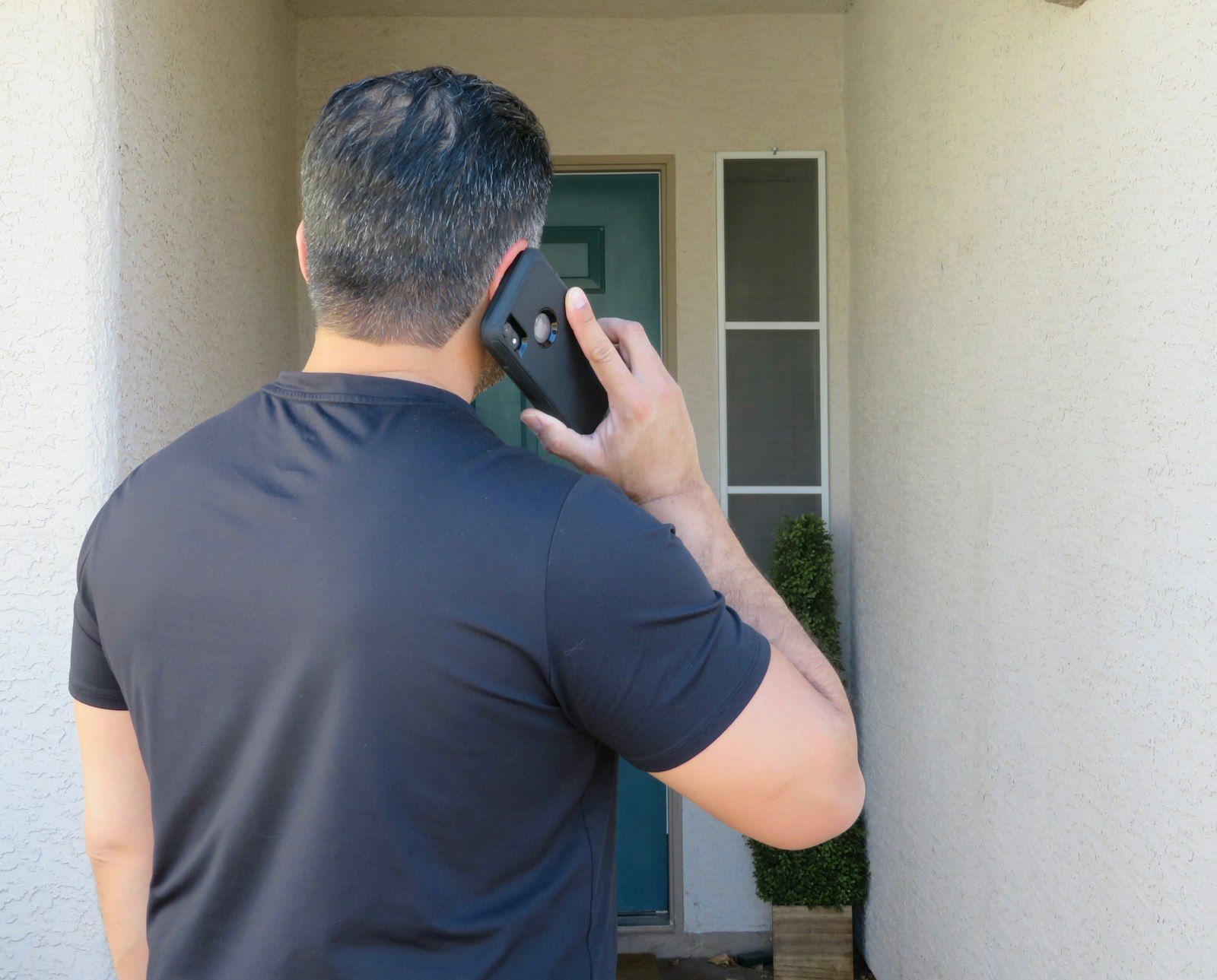
The homeowner question
“A storm hit my house. Do I call insurance first, or should I have the roof inspected first?”
The right first call depends on what happened. If your home has obvious, significant damage — a tree through the roof, water pouring in, broken windows or a large section of roofing missing — protect people, prevent additional damage where safe and notify your insurer promptly. If the damage is uncertain and there is no emergency, a roof-condition inspection can help you understand whether there is something meaningful to report.
Quick Guide
- Emergency? Protect + notify insurer
- Uncertain? Inspection can clarify condition
- Roofer explains construction, not coverage
- Document before decisions
- Keep temporary protection receipts
Call the insurer promptly for obvious significant damage
TDI advises homeowners to report storm damage and document it. Your policy may also contain notice requirements.
An inspection can be useful when the damage is uncertain
If the neighborhood had hail but your home looks normal from the ground, a professional inspection can help distinguish actual roofing concerns from ordinary wear before you decide what to do.
Do not let a contractor decide coverage for you
A contractor can explain roof condition, repair methods and pricing. In Texas, a contractor performing the work may not also act as the public insurance adjuster on that claim.
Do not file a claim just because someone says “everyone is getting a roof”
Claims should be based on actual damage and your policy. Ask for photos and a clear explanation of what was observed.
Keep emergency mitigation separate from permanent work
If the home is open to rain, temporary protection may be necessary immediately. Keep receipts and coordinate permanent repairs with the claim process when applicable.
What You Can Safely Check Yourself
- Document visible damage first.
- Review the deductible and roof coverage.
- Ask any roofer for photos and condition findings, not promises about insurance.
- Keep all communications and receipts.
When It Becomes More Serious
The important distinction is between construction expertise and insurance representation. You want each professional doing the job they are qualified and legally permitted to do.
Insurance note: This article is general homeowner education, not legal, insurance-coverage or public-adjusting advice. Policy terms and claim facts control. In Texas, contractors performing the repair should not represent themselves as the policyholder’s public adjuster on that claim.
Sources & Further Reading
- Texas Department of Insurance — Help after a storm
- Texas Department of Insurance — Roofing and insurance: Know the law
- Texas Department of Insurance — Insurance and your roof
Editorial note: Sources are cited for homeowner education and technical context. Ridge Point Roofing is not affiliated with these organizations unless separately stated. Local codes, product instructions and insurance policy terms should always be checked for a specific property.